


School Buses Are Back on Our Roads
A Rural Driver’s Brake Check Guide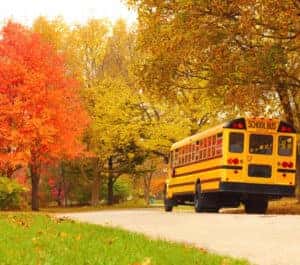
It’s that time of year again—the familiar sight of big yellow school buses is back on the winding country roads of Madison and Chenango Counties. As our local students head back to school, it’s a reminder for all of us to slow down, stay alert, and make sure our vehicles are ready for the season ahead.
Out here, driving isn’t just about highways. We’re talking about hilly two-lane roads, sharp curves through farmland, unexpected wildlife crossings, and frequent stops for buses picking up children. In these conditions, no system on your vehicle matters more than your brakes. If you can’t stop quickly and confidently, you’re putting yourself, your passengers, and others at risk.
Here’s a simple, three-step guide to checking in on the health of your brakes before fall traffic picks up (or slows down):
The Sound Test
Your car will often tell you something’s wrong before you see it. Turn off the radio and listen as you brake. A high-pitched squeal usually means your brake pads are worn down and need replacing. A harsher grinding noise is more serious; this can mean the pads are completely gone and metal is scraping on metal, which damages your rotors and leads to costly repairs. If you hear either sound, schedule a brake inspection right away. Some brake noise can be normal, like very slight squeaking in wet conditions. If you suspect it could be your brakes, give us a call to check them!
The Feel Test
How your brake pedal feels under your foot is just as important as how it sounds. If it feels “spongy” or sinks lower than it used to, that may point to low or contaminated brake fluid or even air in the brake lines. If you notice a vibration or pulsing through the pedal or steering wheel when braking, it’s often a sign of warped rotors. Both issues affect your stopping distance, which is a serious concern when a school bus or deer appears suddenly around a bend.
The Pull Test
Find a safe, straight stretch of country road with no traffic and apply the brakes firmly. If your vehicle pulls to one side, it could mean a stuck caliper or uneven wear on your pads and rotors. Not only does this make stopping unpredictable, it can wear down other parts of your braking system.
Brake Safety is Important for Drivers in the Hamilton Area Year Round
While listening, feeling, and road-testing are smart first steps, the only way to know for sure that your brakes are truly ready is with a professional inspection. At Den Kelly Chevrolet, our certified technicians perform a complete brake service and Comprehensive Brake System Analysis. We measure pad life, check rotor condition, test brake fluid, and inspect calipers, hoses, and lines for leaks or wear.
With school buses back on the roads, deer moving at dusk, and farm equipment slowing traffic, there’s no better time to make sure your brakes are ready. Schedule your appointment today and drive with confidence this school year.

0 comment(s) so far on School Buses Are Back on Our Roads